Integrated corporate business ecosystems
Mastering operational efficiency in global markets
Strategic business scalability
Establishing a resilient corporate governance framework
Executive leadership aligns shareholder interests with sustainable scalability. A robust roadmap mitigates market volatility, allowing decision-makers to pivot swiftly while maintaining core values and securing competitive advantages through predictive data agility.

01
Defining actionable key performance indicators
Project managers track ROI metrics to gauge progress against quarterly objectives, ensuring that every department contributes to the strategic vision.

02
Adopting agile decision-making protocols
Teams adopt Scrum methodologies to accelerate delivery and reduce bottlenecks, responding dynamically to unexpected shifts in the industrial landscape.

03
Optimizing internal resource allocation
Capital and talent flow toward high-priority ventures to maximize EBITDA and prevent the stagnation of critical infrastructure assets.

04
Facilitating stakeholder communication
Quarterly reporting ensures alignment between board members, investors, and operational heads, fostering transparency and enabling faster strategic consensus.


Corporate financial health assessment
Rigorous auditing and cash flow optimization
Beyond bookkeeping, accounting ensures IFRS compliance and reveals fiscal risks through forensic analysis. CFOs utilize predictive modeling to forecast liquidity, securing venture capital for expansion while mitigating exposure to currency fluctuations and global taxation variables.
Brand market positioning
Engaging audiences through omnichannel communication strategies
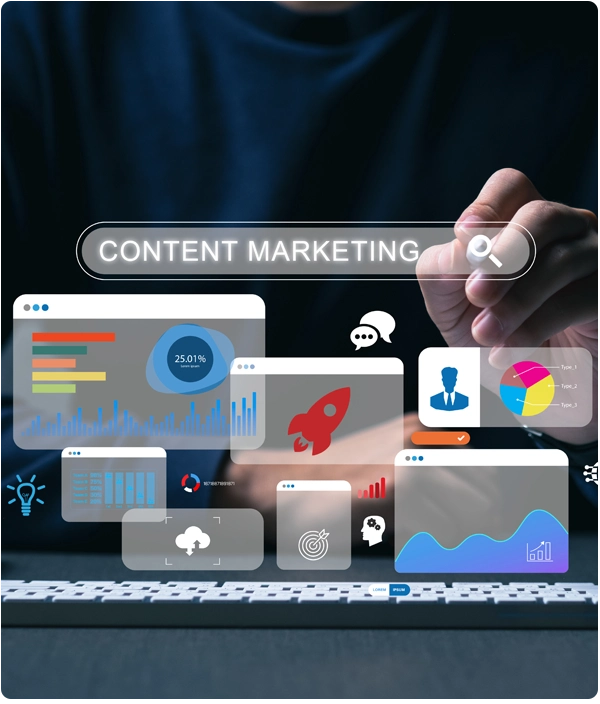
Capturing market share requires a seamless narrative across digital touchpoints. Brands leverage big data analytics to refine buyer personas, delivering personalized B2B content that drives engagement and converts passive leads into loyal advocates.

Data analytics
Interpreting UX behavior improves programmatic campaign targeting precision.
Content creation
Corporate storytelling establishes emotional connections with target demographics.

Lead nurturing
CRM automated workflows guide qualified prospects through the sales funnel.
Talent acquisition dynamics
Cultivating leadership and organizational workplace culture
Recruitment evolves into talent curation, focusing on management skills and cultural fit alongside technical expertise. HR departments implement continuous e-learning programs and wellness initiatives to boost retention, ensuring the workforce remains motivated and adaptable to digital shifts within the industry.

Navigating complex regulatory and compliance landscapes
Legal risk mitigation
Securing assets through intellectual property protection
Safeguarding proprietary innovations requires airtight patents and non-disclosure agreements. Legal teams conduct GDPR due diligence during mergers to identify liabilities, while drafting commercial contracts that define clear dispute resolution mechanisms to prevent costly arbitration litigation.
Supply chain logistics
Streamlining manufacturing via lean production methodologies
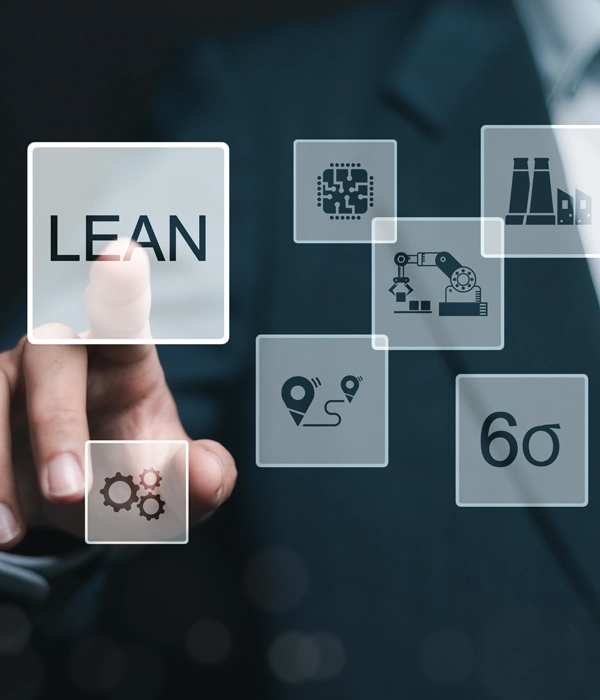
Factory floors embrace robotics automation to reduce waste and enhance ISO precision. Supply chain managers synchronize raw material procurement with just-in-time inventory systems, preventing costly stockpiling while ensuring production lines meet fluctuating industrial demand without interruption.
From innovation to scale
Integrating technology for scalable business solutions
Cloud infrastructure and data security
Decentralized SaaS servers allow remote teams to access critical files securely, ensuring business continuity during cybersecurity disruptions.
Accelerating prototyping and development
Rapid DevOps cycles allow R&D teams to test viability and refine features before full-scale market launch.
Adopting sustainable responsibility practices
Green CSR initiatives reduce carbon footprints through energy-efficient facilities and ethical sourcing of raw materials.
Anticipating disruption in competitive commercial sectors
Workplace well-being
Creating a positive and stimulating company culture
Active breaks and relaxation
Incorporating short breaks to move or breathe helps reduce occupational stress and maintain focus throughout the day.
Remote work or flexible hours
Offering the option to adjust schedules or work remotely improves work-life balance and increases employee motivation.
Team-building activities
Regularly organizing collaborative workshops or events strengthens bonds between department colleagues.